
MGUS and multiple myeloma resources for BIPOC communities
2 Animations and companion infographics, including an overview of MGUS and a patient profile on clinical trial participation for multiple myeloma
Overview
Multiple myeloma is a rare blood cancer that disproportionately affects Black communities. Black people are significantly more likely to develop multiple myeloma and its precursor condition MGUS. However, awareness of these diseases remains low and BIPOC patients are significantly underrepresented in clinical trials. Historically, BIPOC communities have faced exploitation and harm within medical research, eroding trust in health institutions that persists today. This makes culturally responsive, community-centred education especially critical for increasing awareness and clinical trial participation. Diverse Health Hub, now Diagnostic Equity, is a nonprofit focused on improving diagnostic equity and health outcomes for BIPOC communities in the United States.
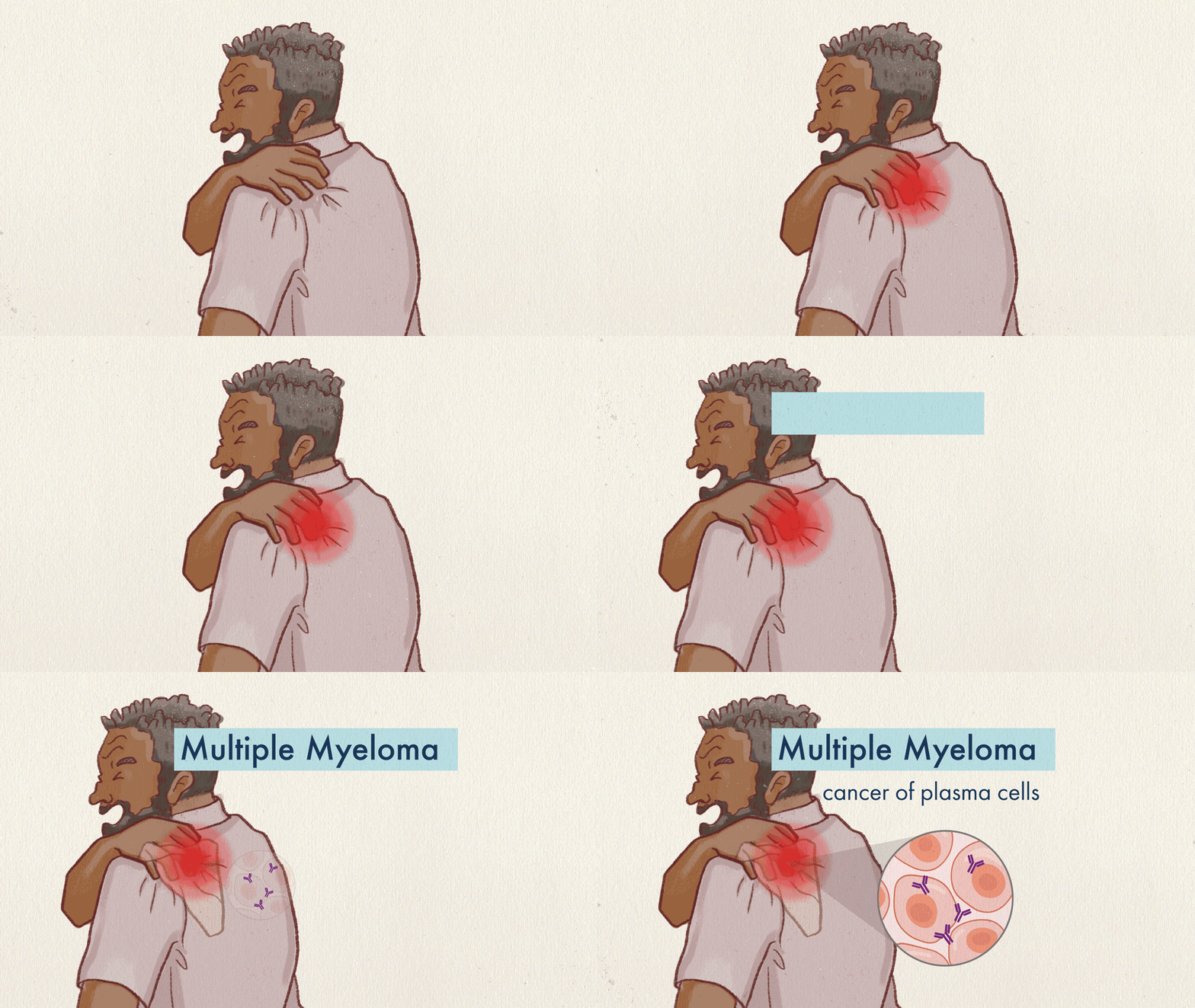
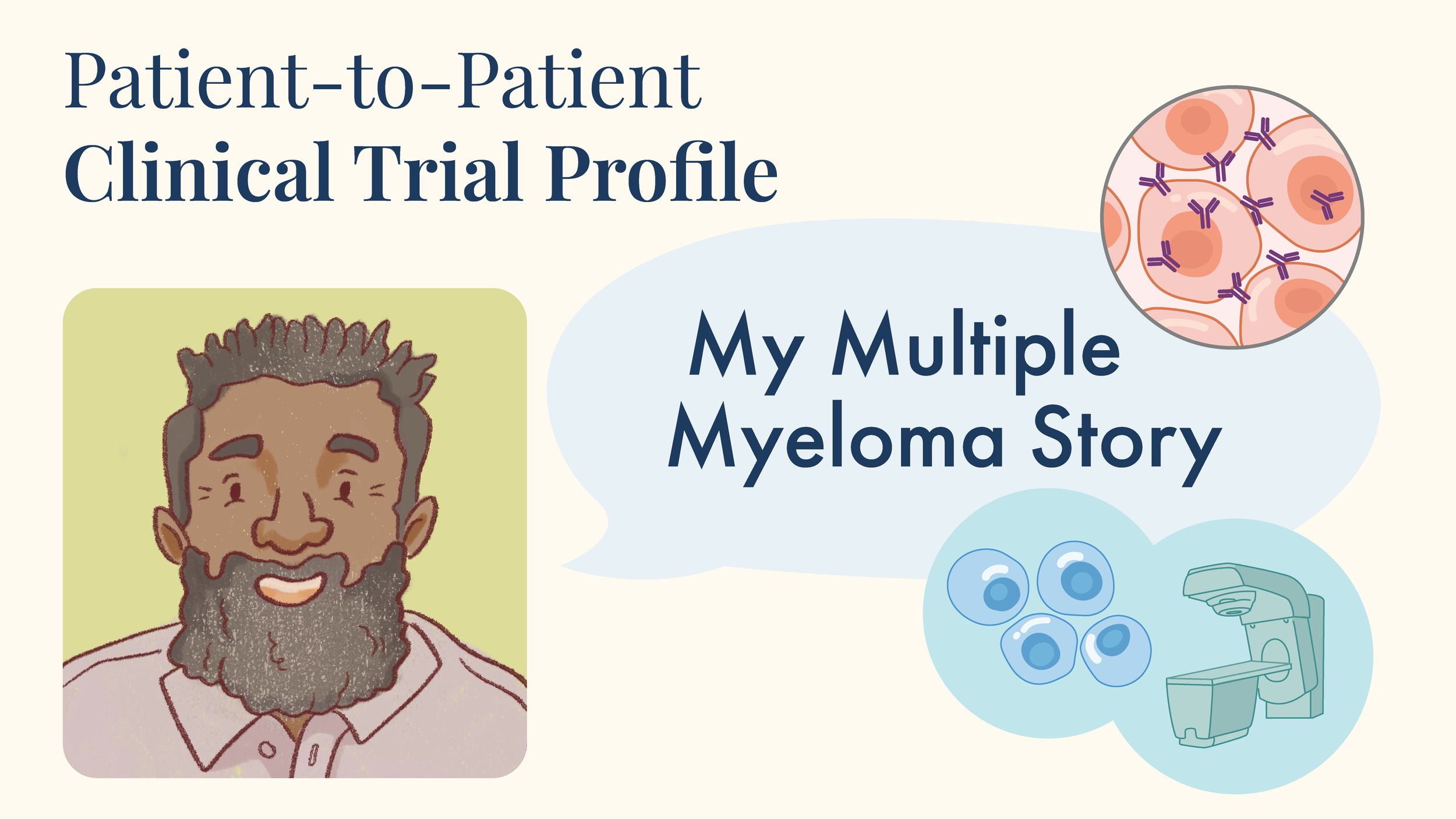
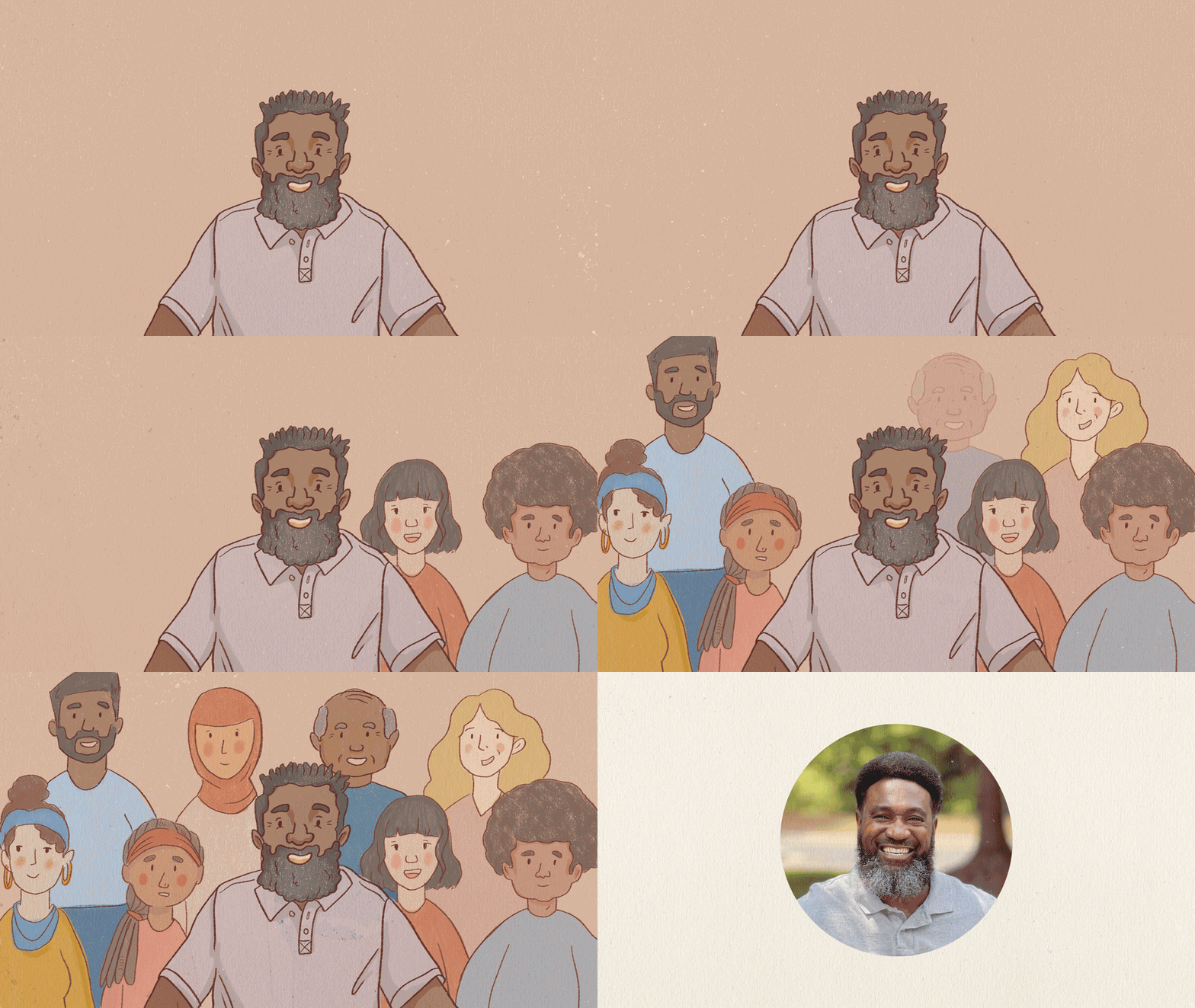
We created 2 animations and companion infographics for Diverse Health Hub to provide accurate, accessible information on MGUS and clinical trials. Through Thomas' story, we put a human face on multiple myeloma, and demonstrate why participating in clinical trials matters, told by someone who has benefited from clinical trial treatments.

Approach
Health literacy & scientific accuracy
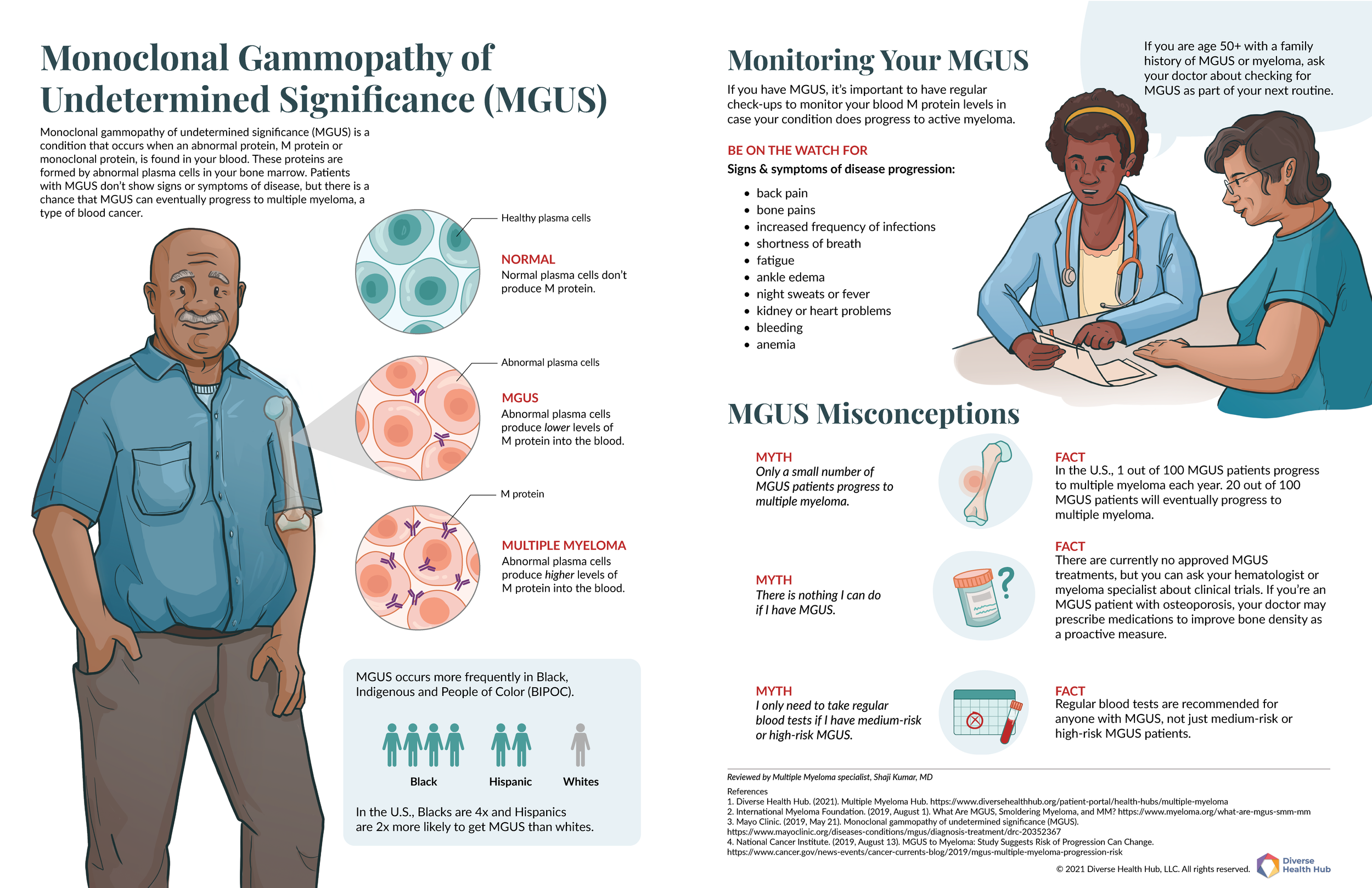
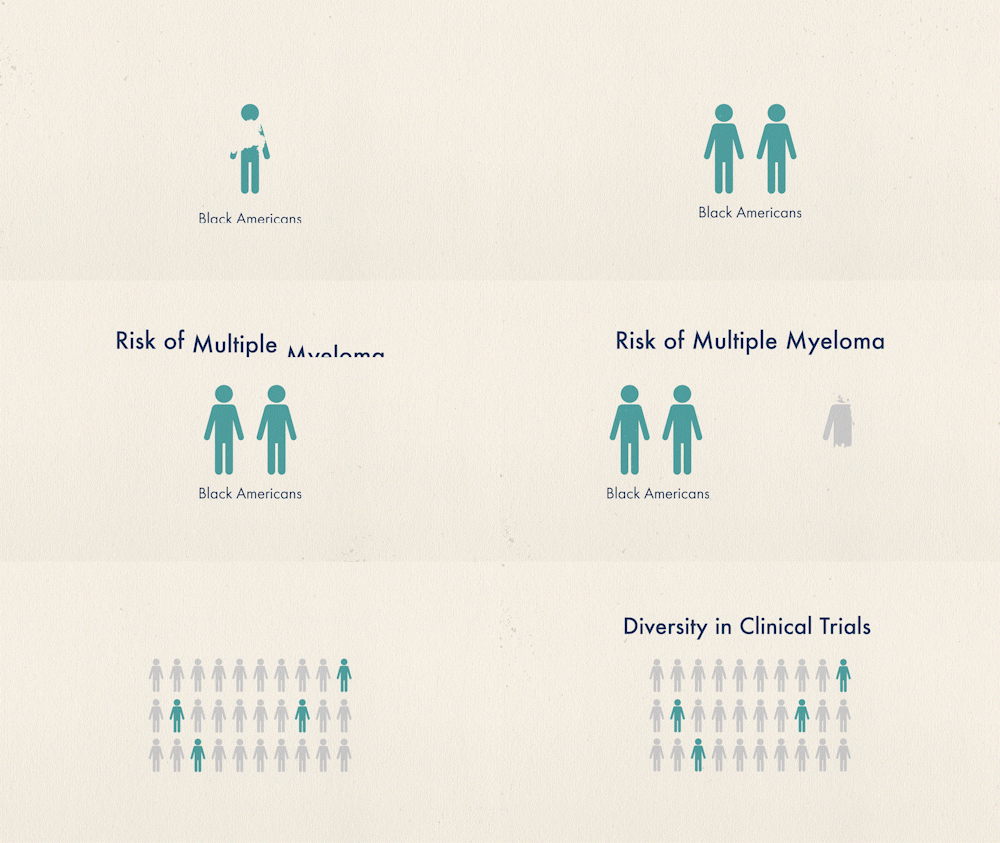
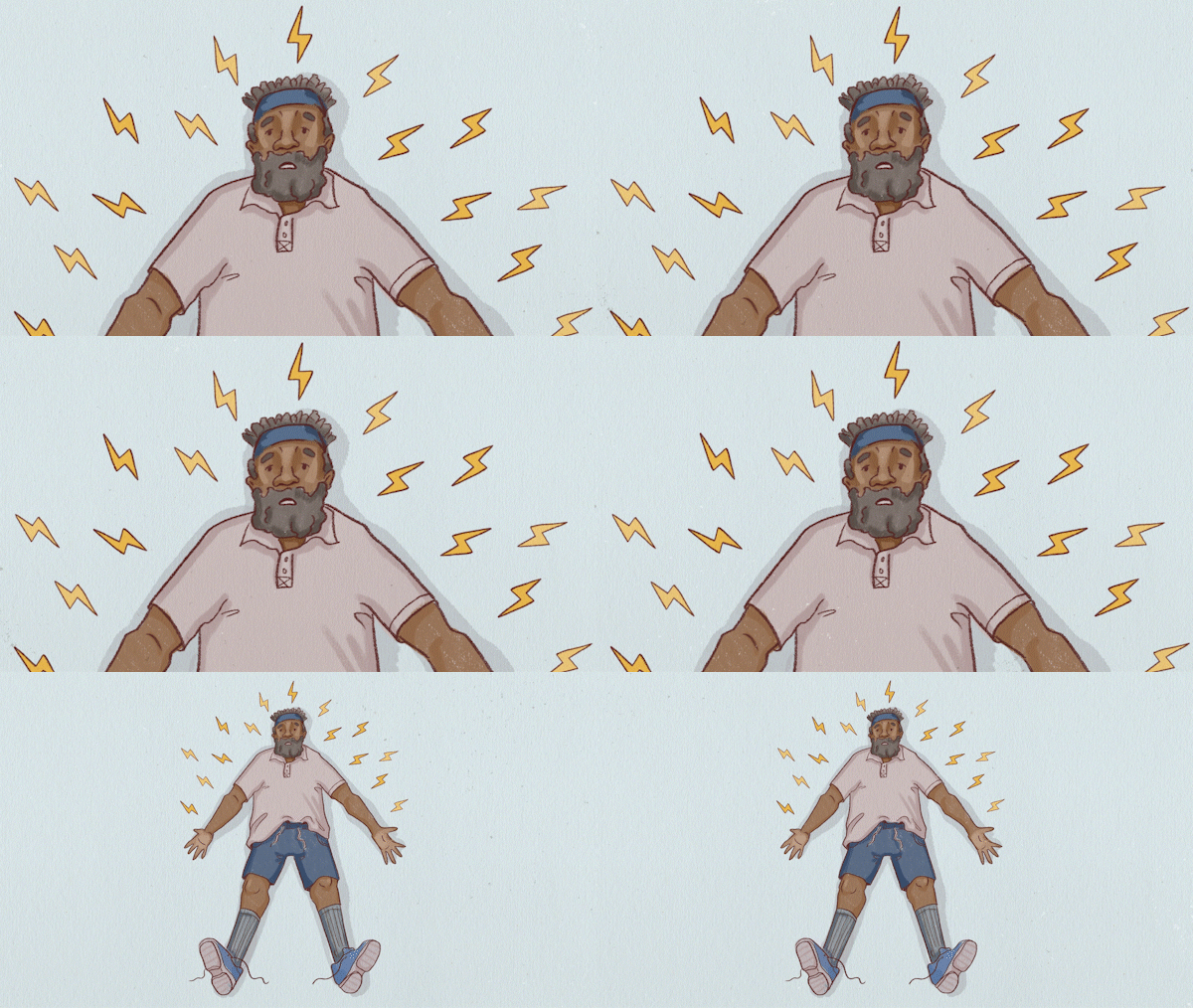
The MGUS infographic translates complex cellular biology into clear visual steps, showing how normal plasma cells progress to multiple myeloma using annotated diagrams. To communicate racial disparity statistics, we used icons rather than fractions or percentages, an approach shown to improve understanding for readers with low numeracy. A myth-busting section pairs each misconception directly with a plain language fact.
The patient story uses first-person narrative to make clinical information feel accessible and emotionally resonant.
All deliverables were reviewed by a multiple myeloma specialist to ensure scientific accuracy.

Cultural responsiveness
BIPOC representation was central.
The MGUS infographic leads with a Black male patient and explicitly names the racial disparity in MGUS and multiple myeloma rates.
Thomas' patient story is told entirely in his own voice, illustrated with his likeness, and treats his experience with dignity and specificity. The goal was not to make a resource about cancer, but a resource that spoke directly to the BIPOC communities most affected.
Interested in our approach?
See our design principles and how we partner to design patient education resources.
Deliverables
2 educational animations (video files)
2 companion infographics (PDFs)