

Digital health explainers for an underserved LatinX community
English and Spanish animations for patients with chronic conditions, produced as part of a pilot program in California's Central Valley
Overview
In California's rural Central Valley, low-income LatinX agricultural workers with chronic conditions like diabetes and hypertension face significant barriers to healthcare: long distances to clinics, inflexible work schedules, limited English, and low technology literacy. Diverse Health Hub, now Diagnostic Equity, is a US-based nonprofit improving health outcomes for underserved communities through technology and education.
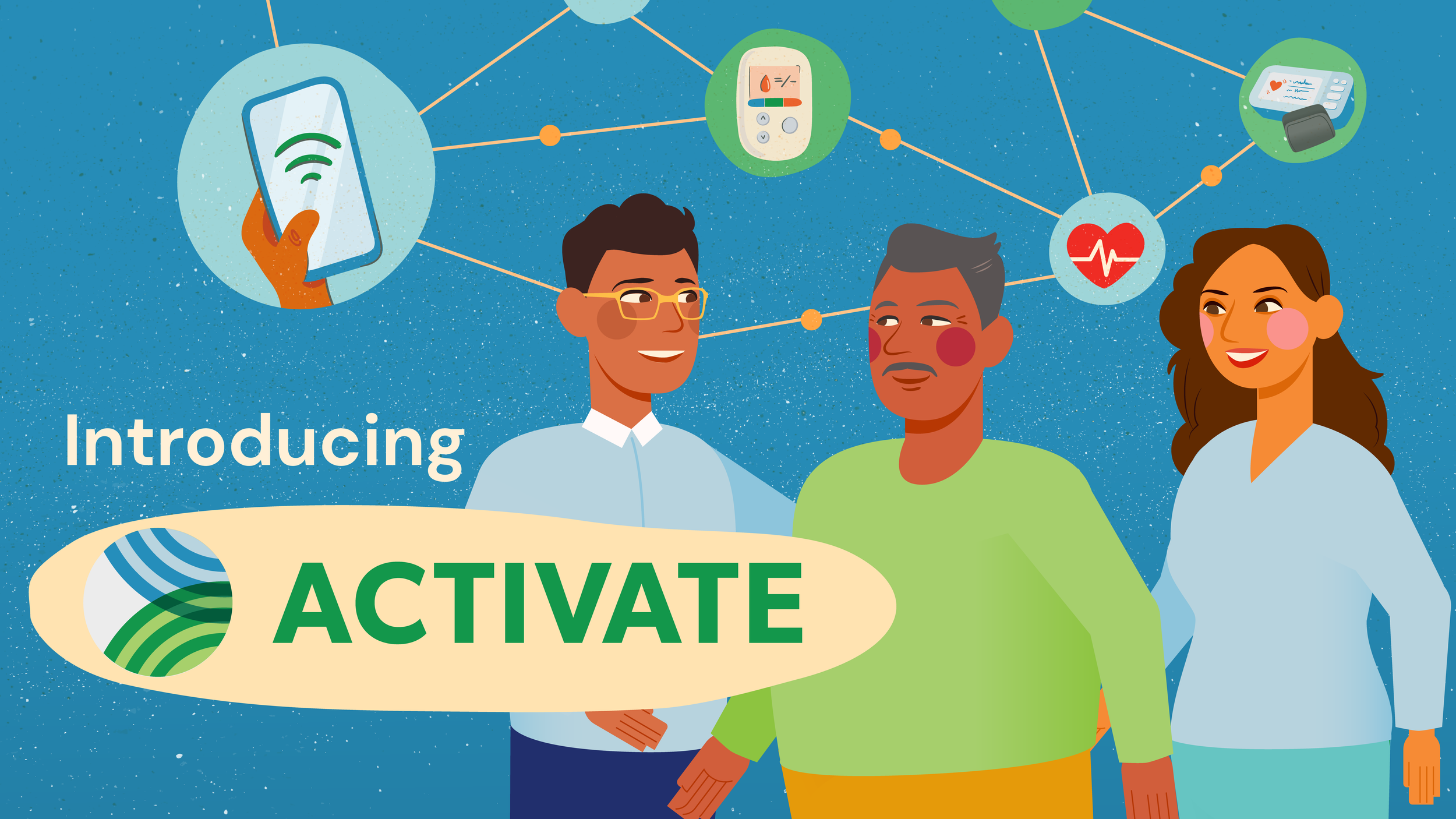
We created two explainers introducing digital health and the ACTIVATE program for Diverse Health Hub as part of a community pilot program. The animations are featured on the CITRIS and the Banatao Institute YouTube Channel and the ACTIVATE program webpage, and were included in a published pilot study on digital health interventions for underserved communities.
I had the pleasure of watching Nati flawlessly lead the development of digital multi-language content for the ACTIVATE program which aims to build a gold standard telehealth model for clinics serving at-risk populations across the country. Nati is a consummate professional, an absolute delight and an incredible asset to every single project!
Tamara Lobban-Jones
Founder, Diverse Health Hub
(now Healthcare Communications Producer, Diagnostic Equity)
Approach
Health literacy
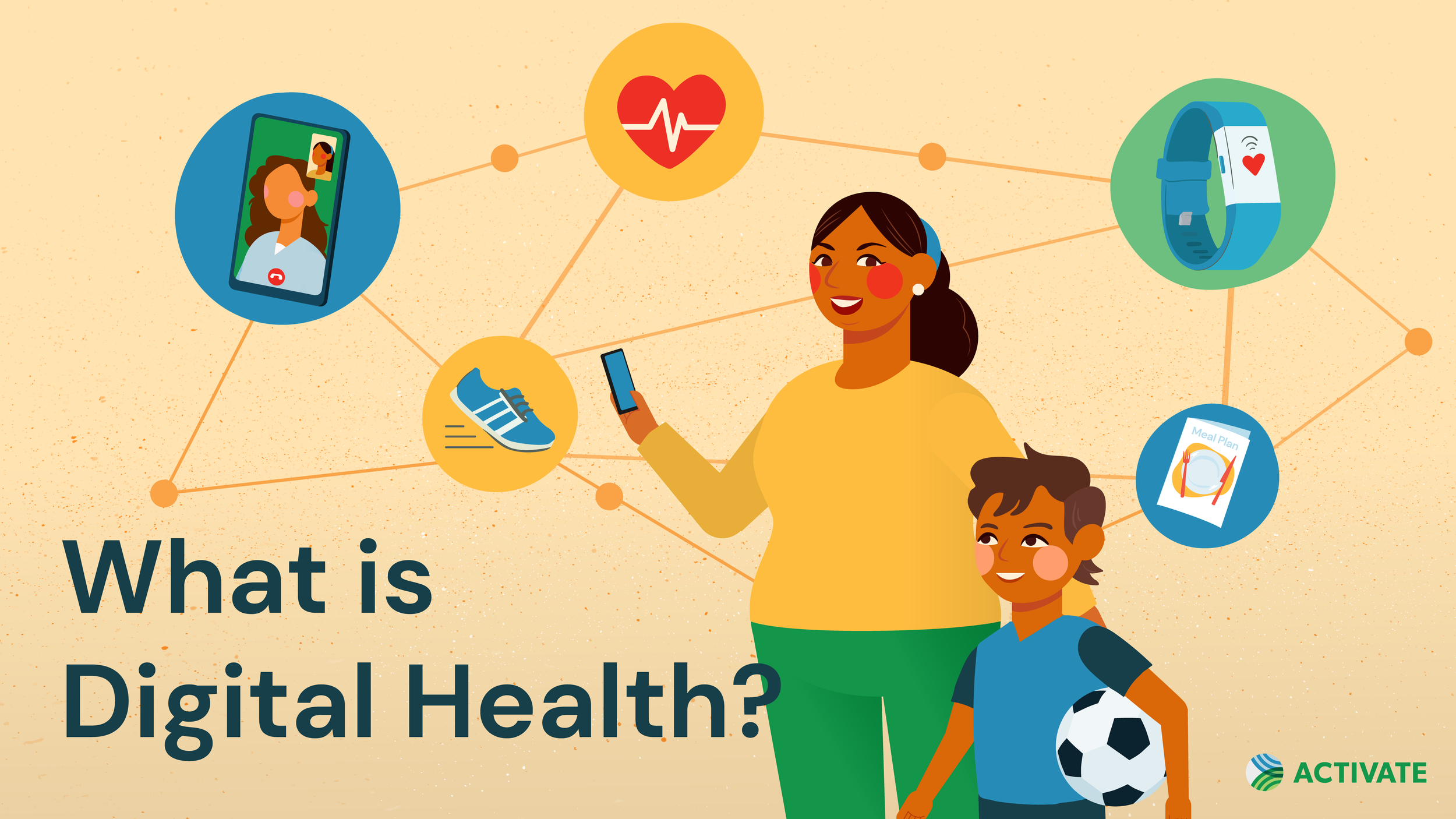
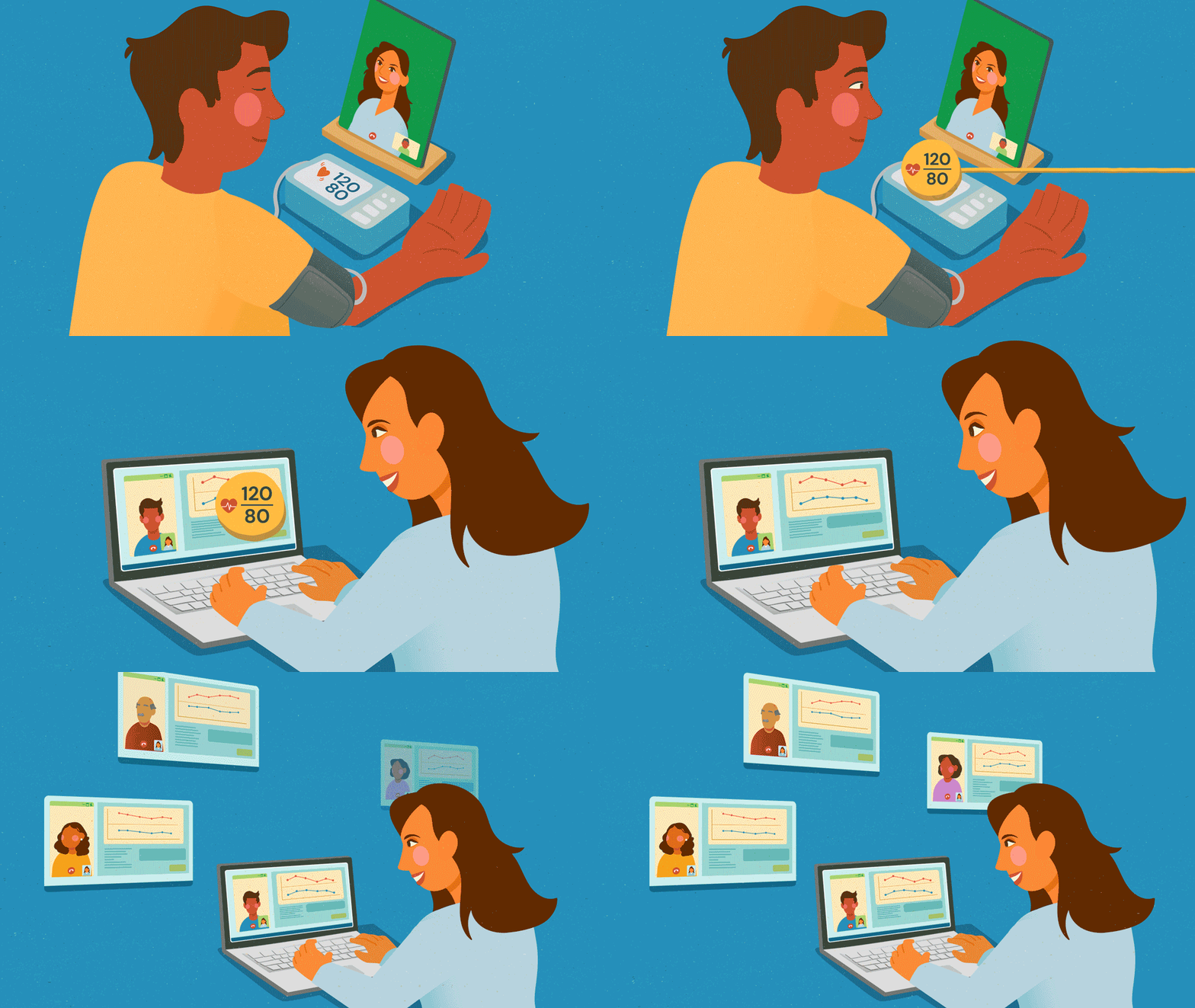
Abstract concepts like telehealth and remote health monitoring are made concrete through character-driven storytelling and visual metaphors. We used icons to explain digital health infrastructure without relying on technical language, for example using a ball-and-stick network to depict how digital health tools connect patients, providers, and health data. We illustrated data flows using connecting lines, for example showing a fitness tracker sending data from a patient's wrist to their electronic health record on their doctor's computer, so viewers can visualize the connection literally.
Scientific accuracy
The scripts were developed in close collaboration with the ACTIVATE clinical team and grounded in the program's actual patient protocols. The animations were part of a published pilot study on digital health interventions for underserved communities.

Cultural responsiveness
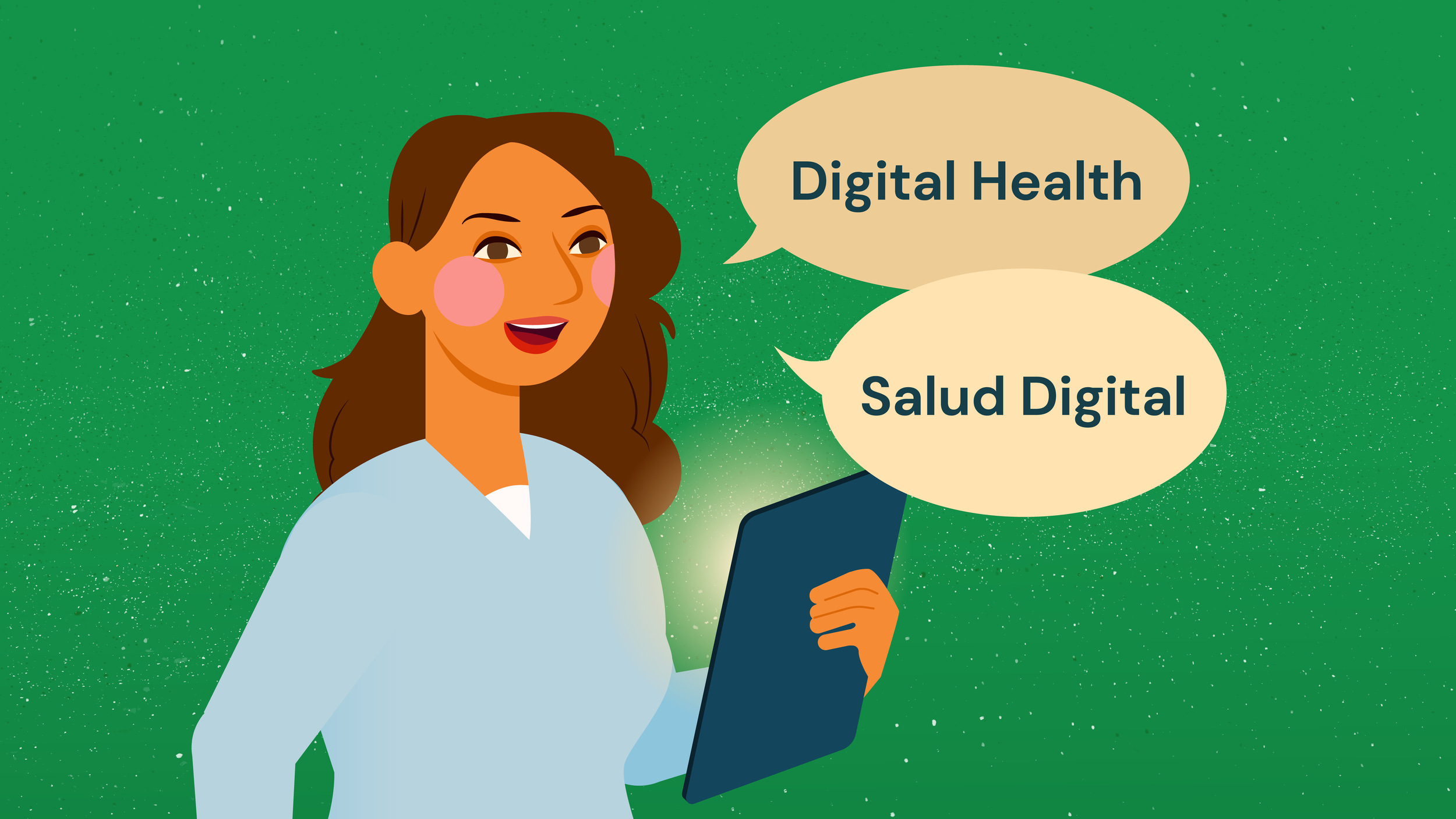
Each animation follows a character through a realistic scenario: Alma manages pre-diabetes while caring for her children and Joseph navigates diabetes and hypertension. Both characters were designed to reflect ACTIVATE patient demographics, as middle-aged LatinX adults with chronic conditions. Dr. Juan Lopez-Solorza is modelled after a real healthcare provider at Livingston Community Health Center. The animations were produced in English and Spanish.

Interested in our approach?
See our design principles and how we partner to design patient education resources.