
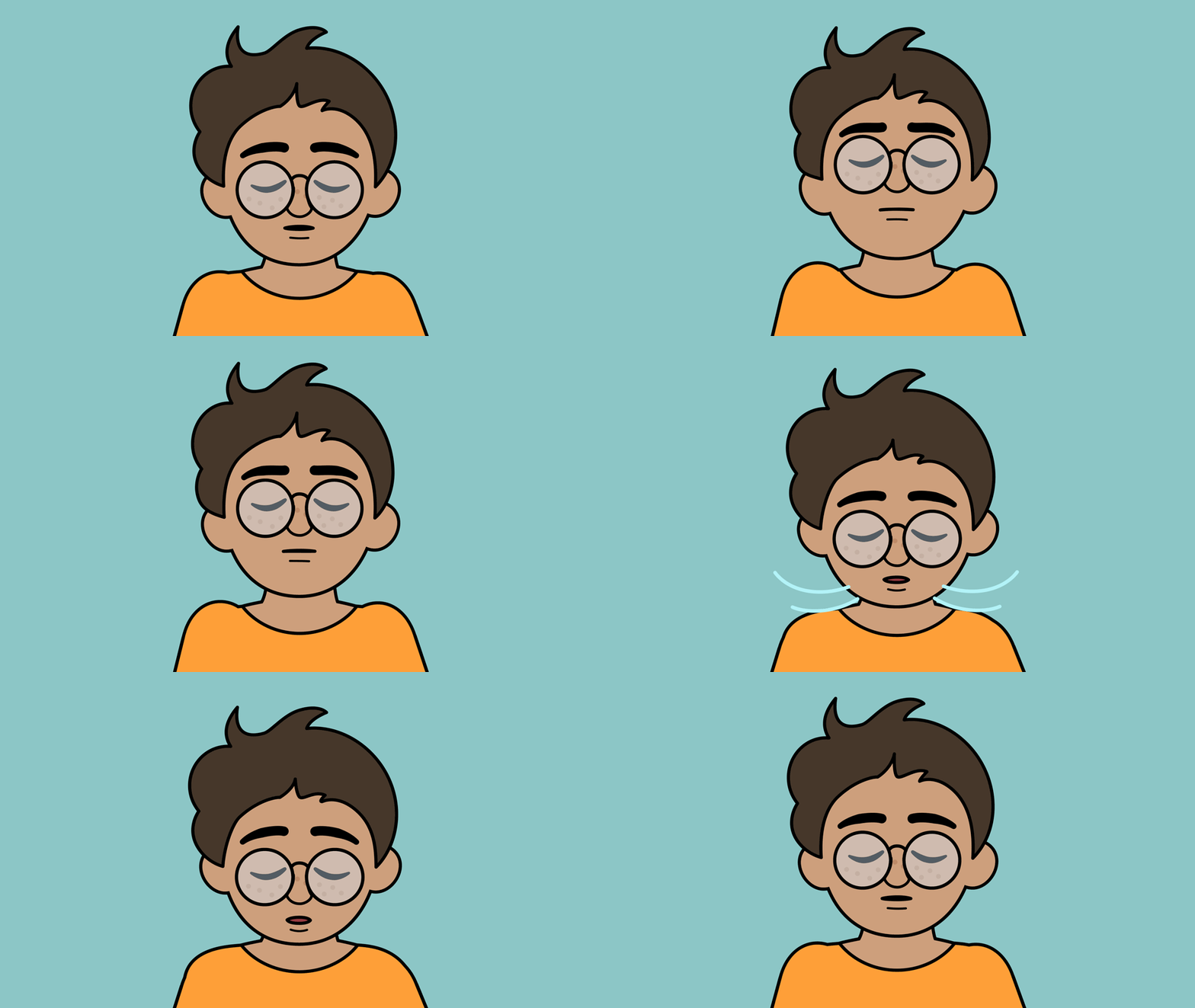
Mental health animation series for youth
9 animations on mindfulness and mental health for teens
Overview
A YouTube video is more accessible than a therapist for many young people. SickKids AboutKidsHealth is the patient education platform of The Hospital for Sick Children in Toronto, one of the world's leading pediatric hospitals. To meet teens where they are, SickKids needed to translate abstract mental health concepts into relatable, practical tools they could actually use.
We created a series of 9 engaging animations for the SickKids AboutKidsHealth YouTube channel and Teens Mental Health Learning Hub. The series has accumulated over 1.5 million views, with "You Are Not Your Thoughts" reaching 1.3 million views alone.
To ensure these resources felt like a natural extension of the SickKids brand, we worked within their established character design system, adapting existing illustrations to maintain a cohesive visual style across the series.
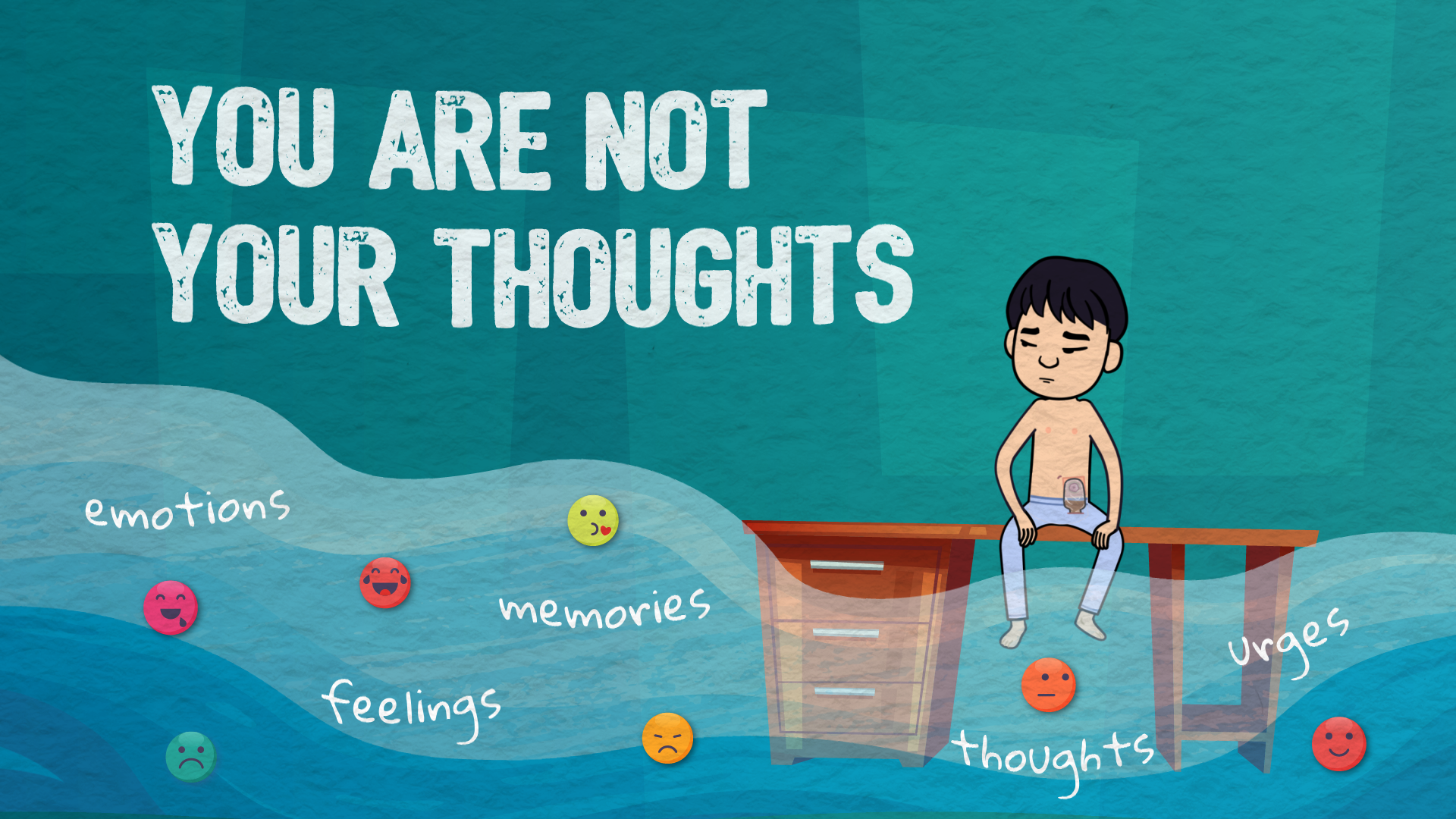
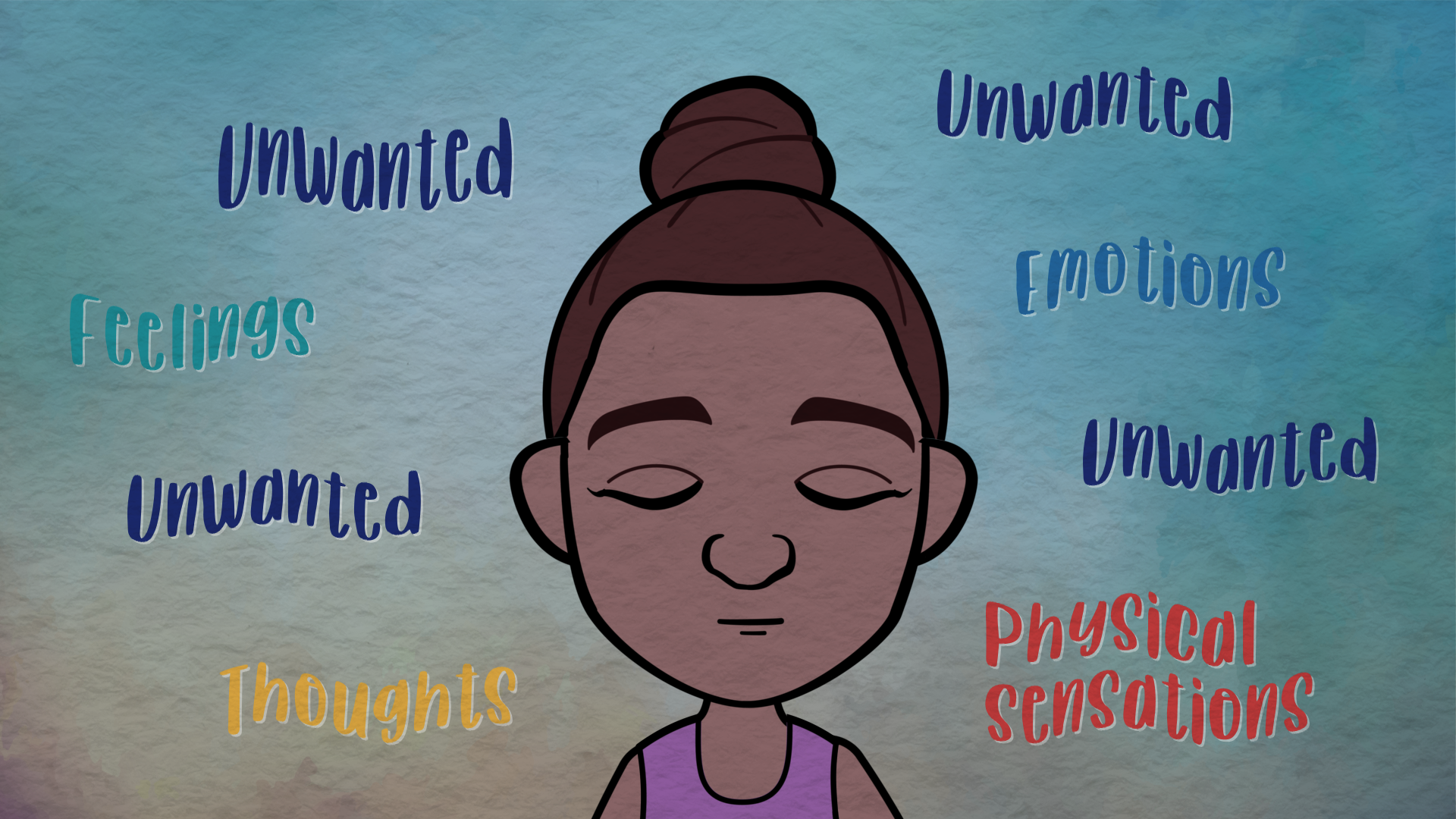
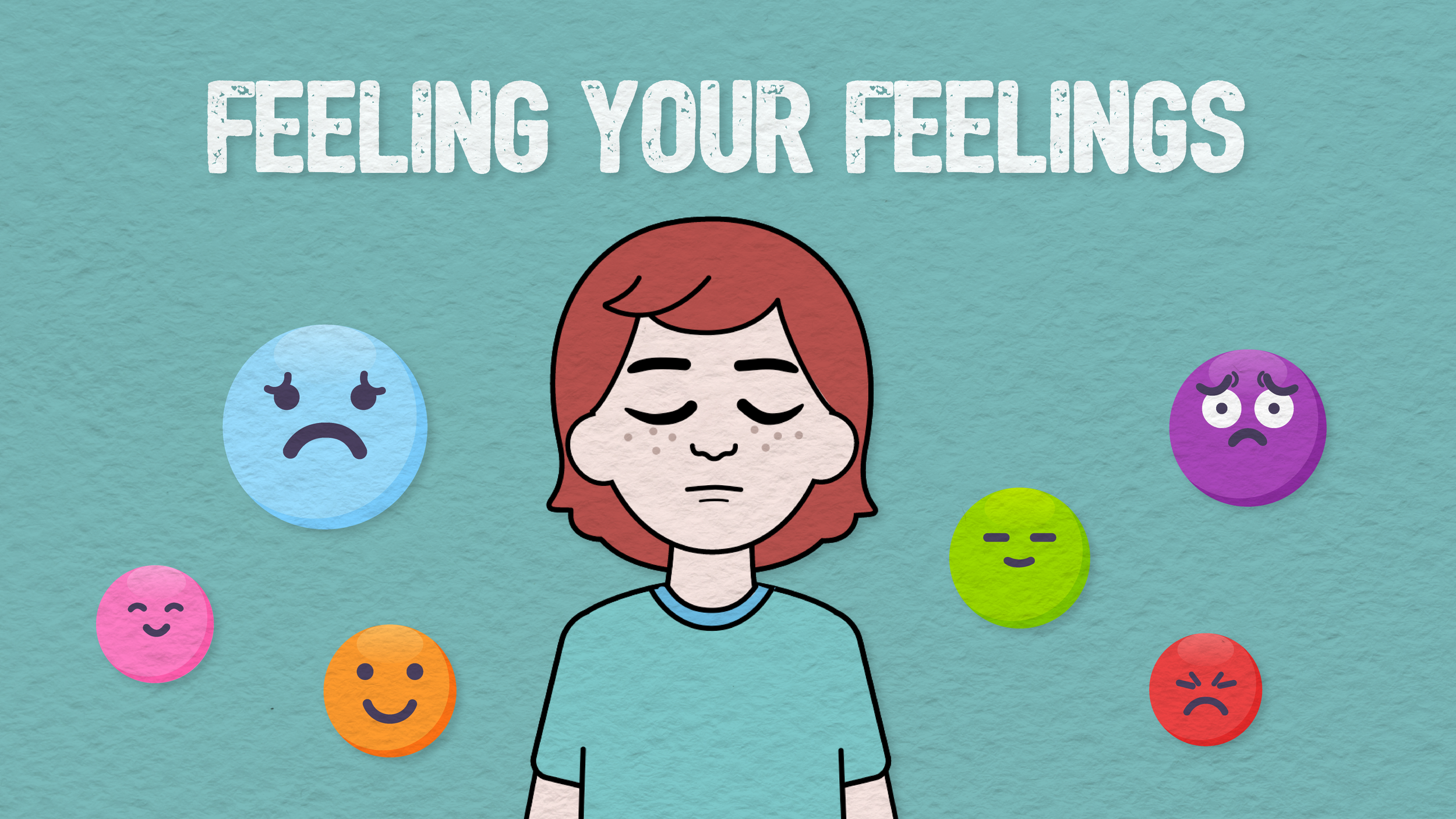
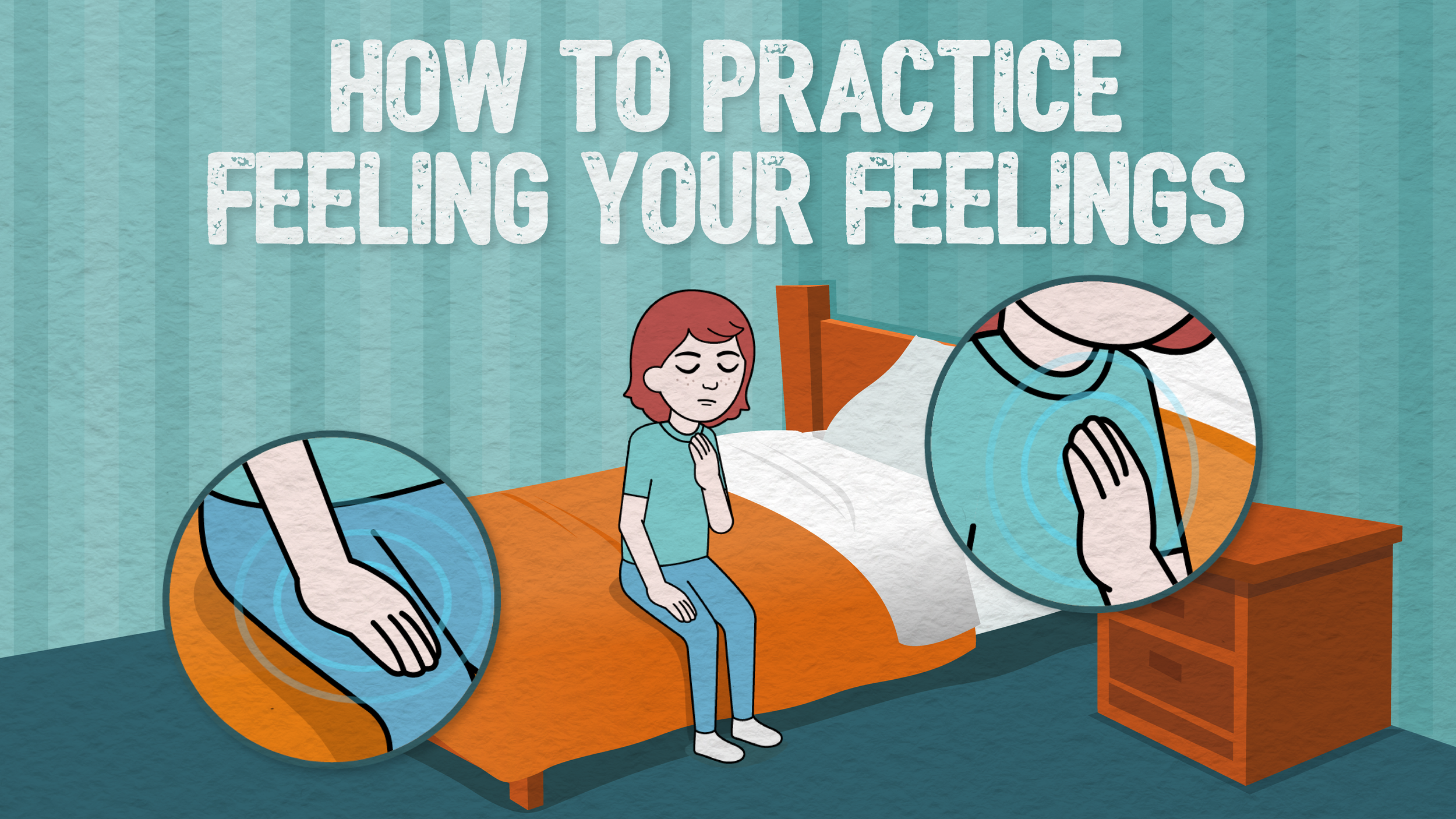
We also produced the following videos in the series:
Approach
Health literacy
Each video explains one concept at a time and pairs animation with narration and on-screen text to reduce cognitive load.
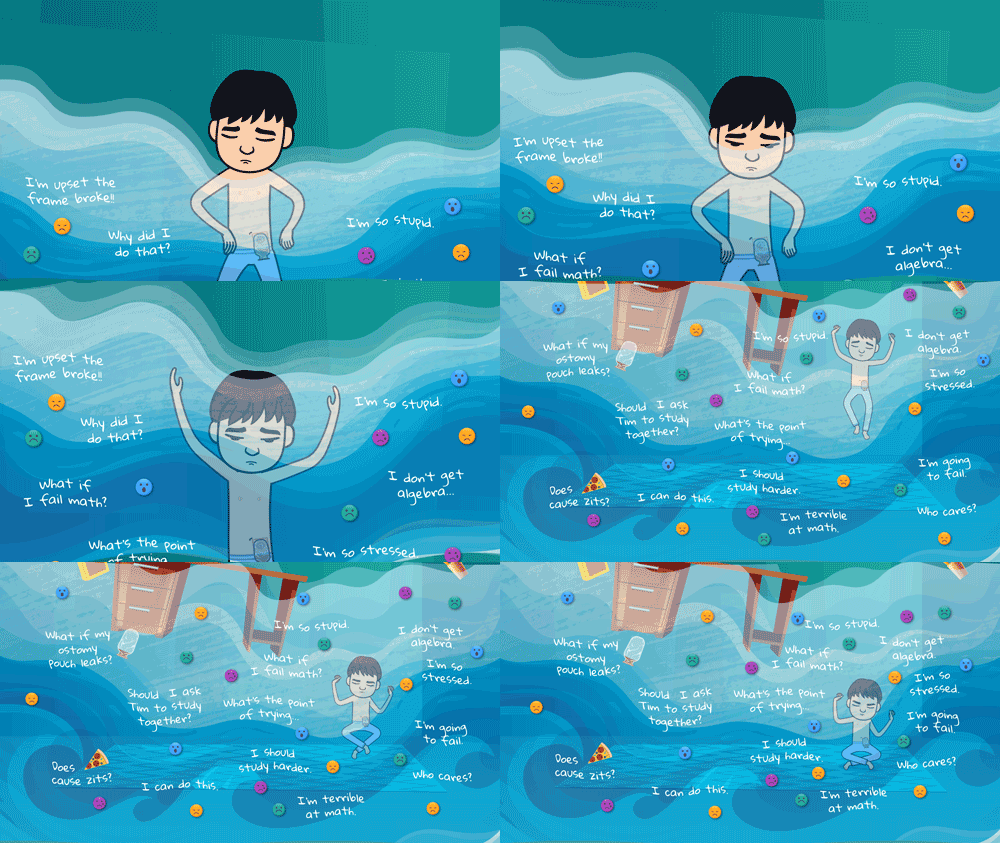
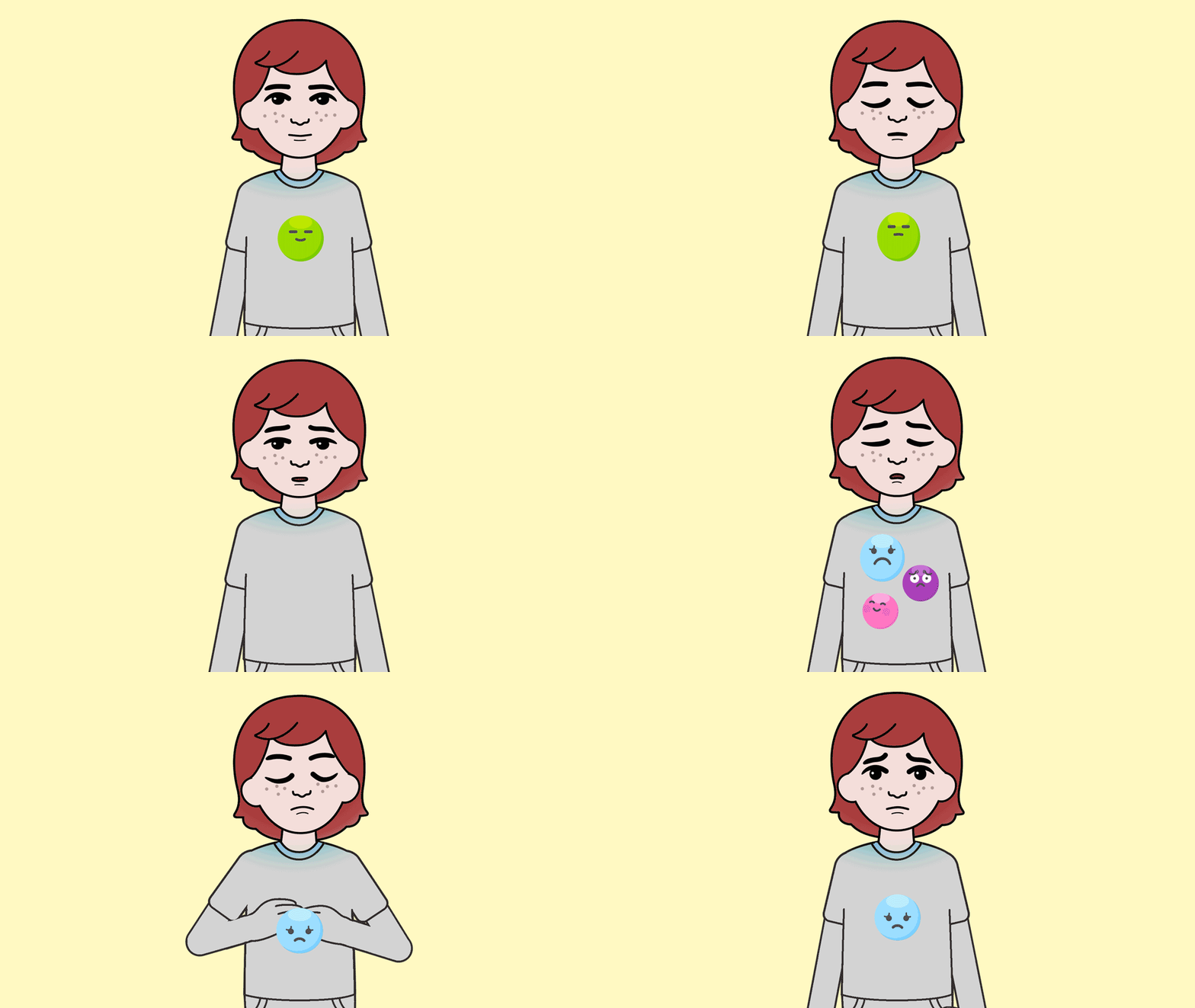
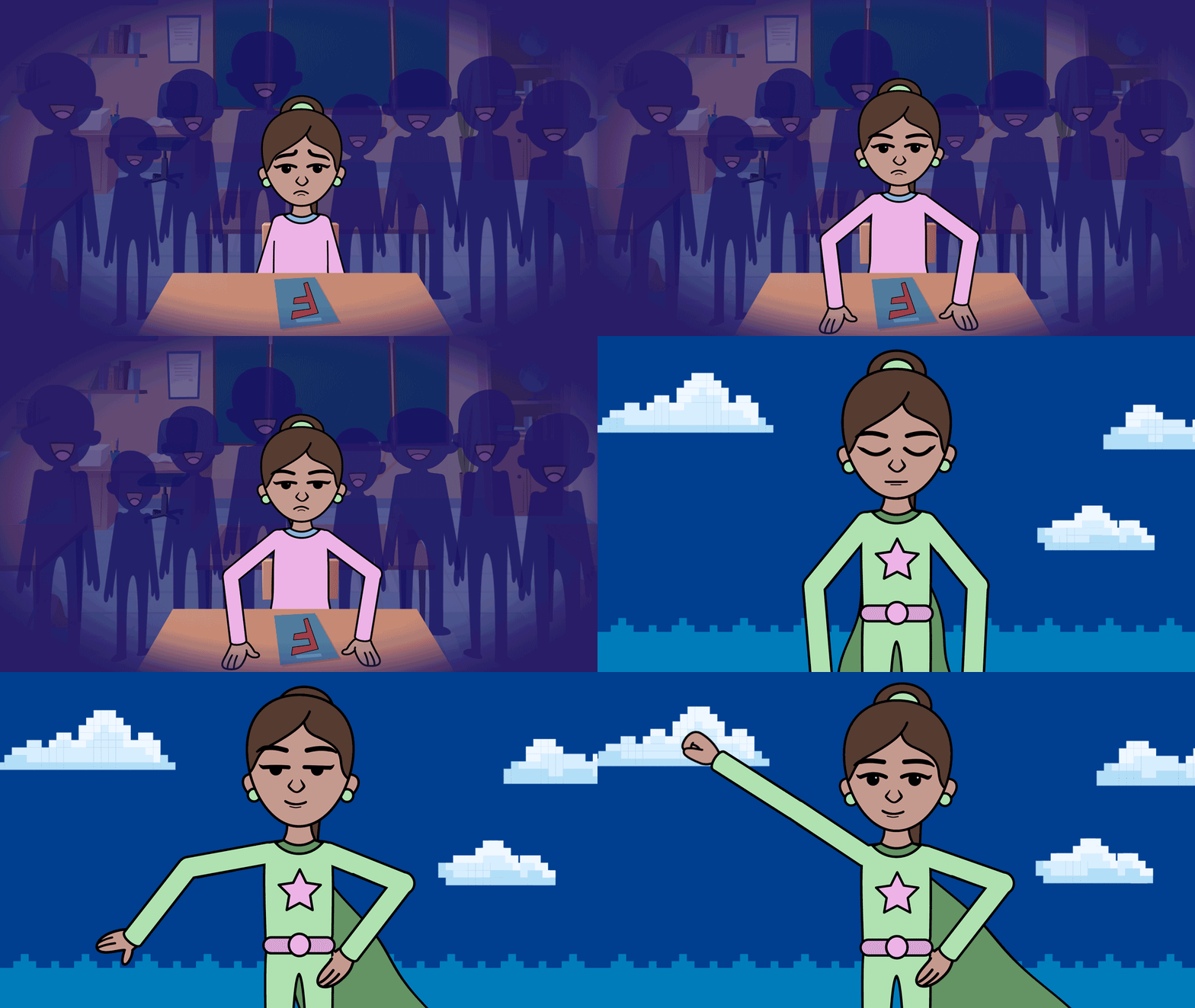
We used visual metaphor to explain abstract emotional concepts and to help teens explore anxiety and grief in a more tangible way. Suppressing feelings becomes holding a beach ball underwater, thoughts become waves passing through the mind, and feelings in the body are represented as coloured balls.
Trauma-informed
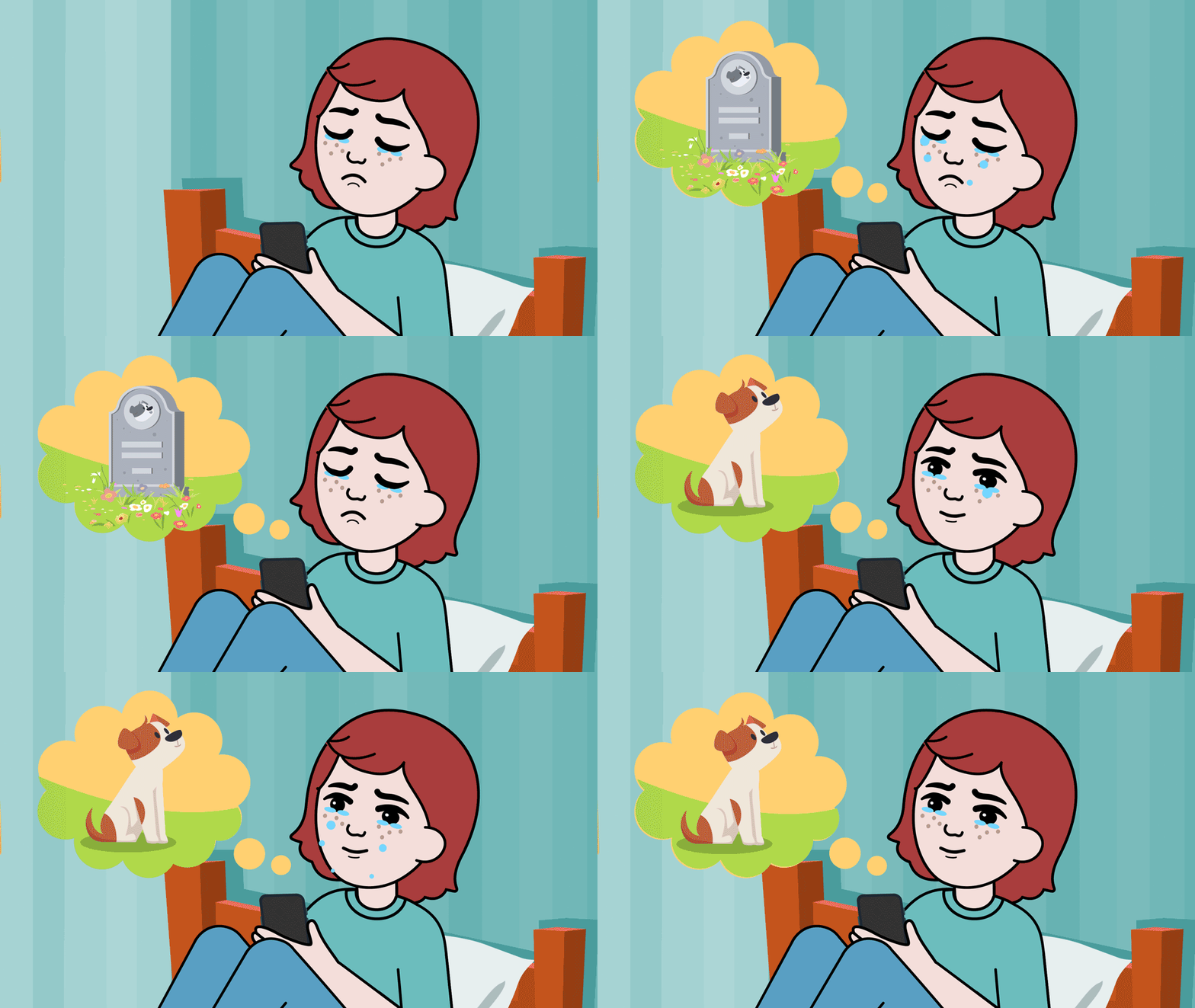
Each video portrays a realistic teen scenario with warmth and without shame: social anxiety around making new friends, grief from losing a pet, lying awake worrying about math, and uncertainty about what comes after graduation. We chose a gentle, slower pace as well as warm, calming background music to maintain a sense of safety.

Cultural responsiveness
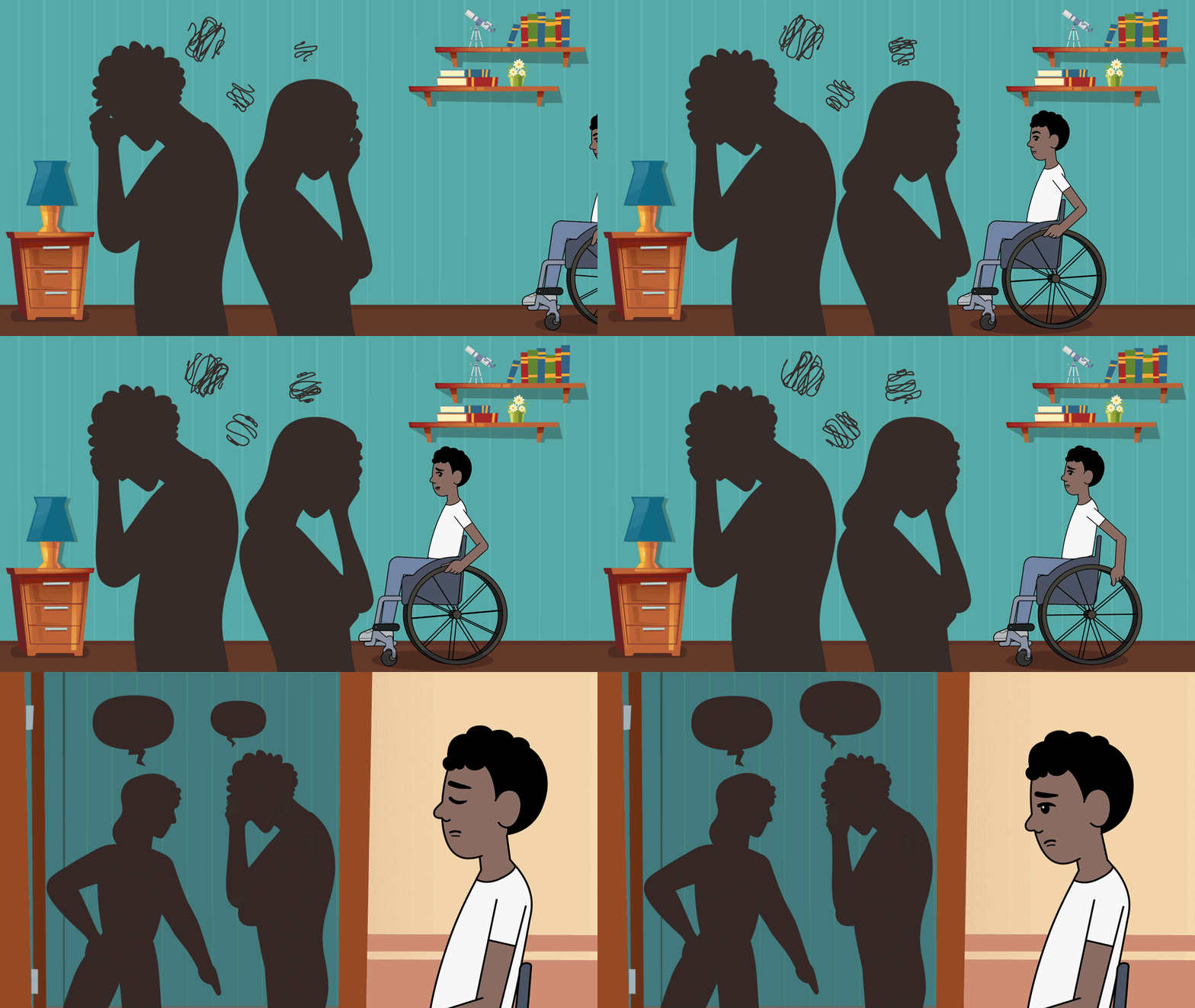
We designed for diversity, including characters of different ethnicities, body types, and abilities, including a character who uses a wheelchair, a character with a stoma, and non-binary characters.
Interested in our approach?
See our design principles and how we partner to design patient education resources.