
Intimate partner violence resources for Canadian Veterans and their Families
English and French animations and illustrated booklets,
co-designed with a Veteran advisory committee
Overview
Intimate Partner Violence (IPV) is more common in military and Veteran communities than in the general population. The cultural values that define military identity can make it harder for Veterans to recognize abuse or seek help. Atlas Institute for Veterans and Families is a Canadian national nonprofit advancing mental health and wellness for Canadian Armed Forces members, Veterans, and their families.
We collaborated with Atlas to design a suite of resources for their IPV Knowledge Hub. Built with and for the Veteran community, these tools are designed to help Veterans and their Families identify IPV without stigma and feel empowered to seek out support.
I loved collaborating with Anatomii on the IPV resources. That experience was a very meaningful one professionally, and I often think how amazing the team was at effective and authentic co-design. Anatomii set a standard that I carry with me to date re: meaningful collaboration on an interdisciplinary team, including folks with lived expertise and external vendors.
Catherine Virelli, MHSc
Knowledge Mobilization Specialist, Atlas Institute for Veterans and Families
(now Program Coordinator, SickKids)


Approach
Participatory design
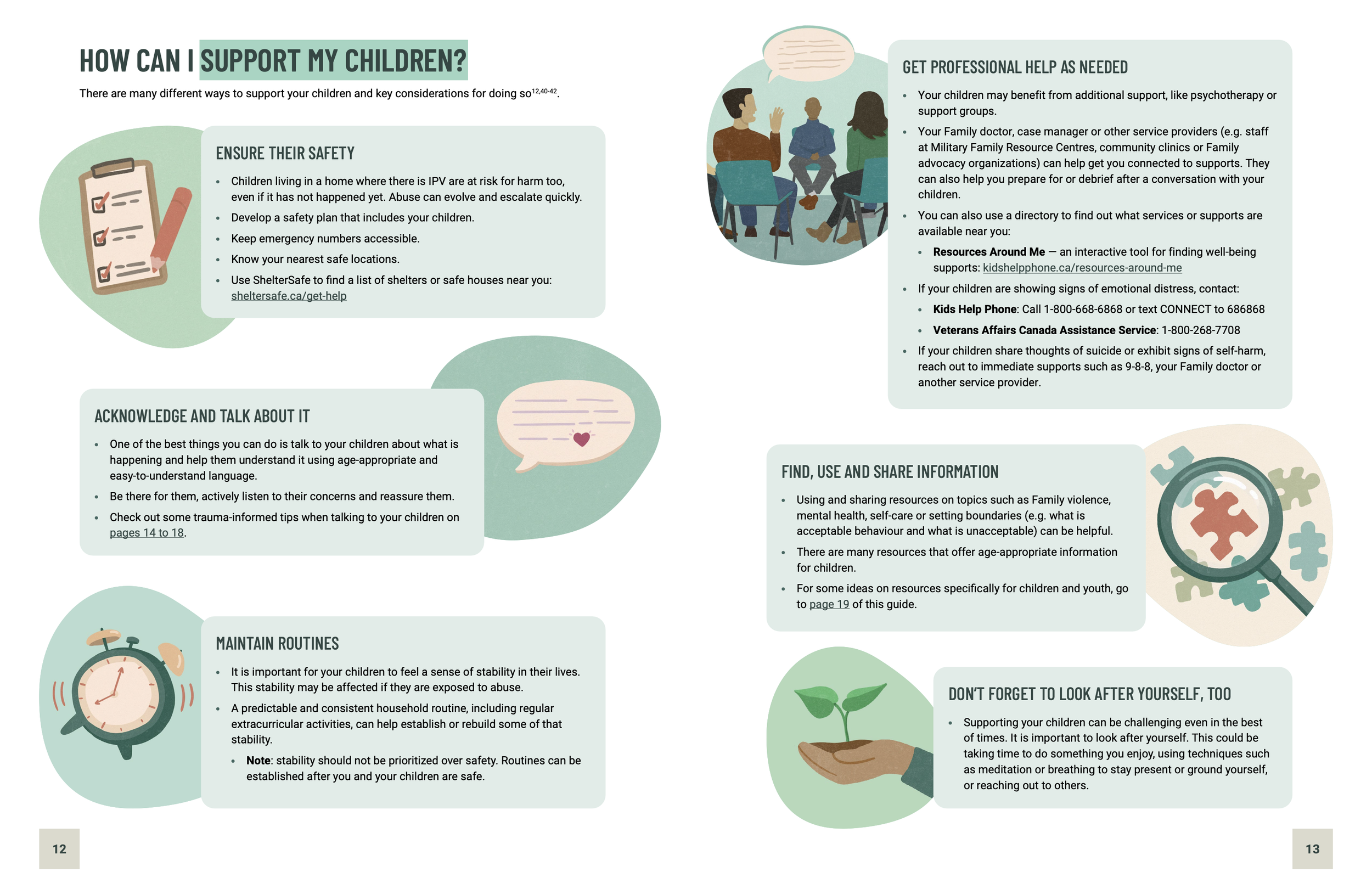
We facilitated co-design sessions with a Veteran advisory committee. Their insights shaped how we represented military culture and depicted sensitive topics with respect, care and attention to emotional safety. Learn how we use participatory design.
Health literacy
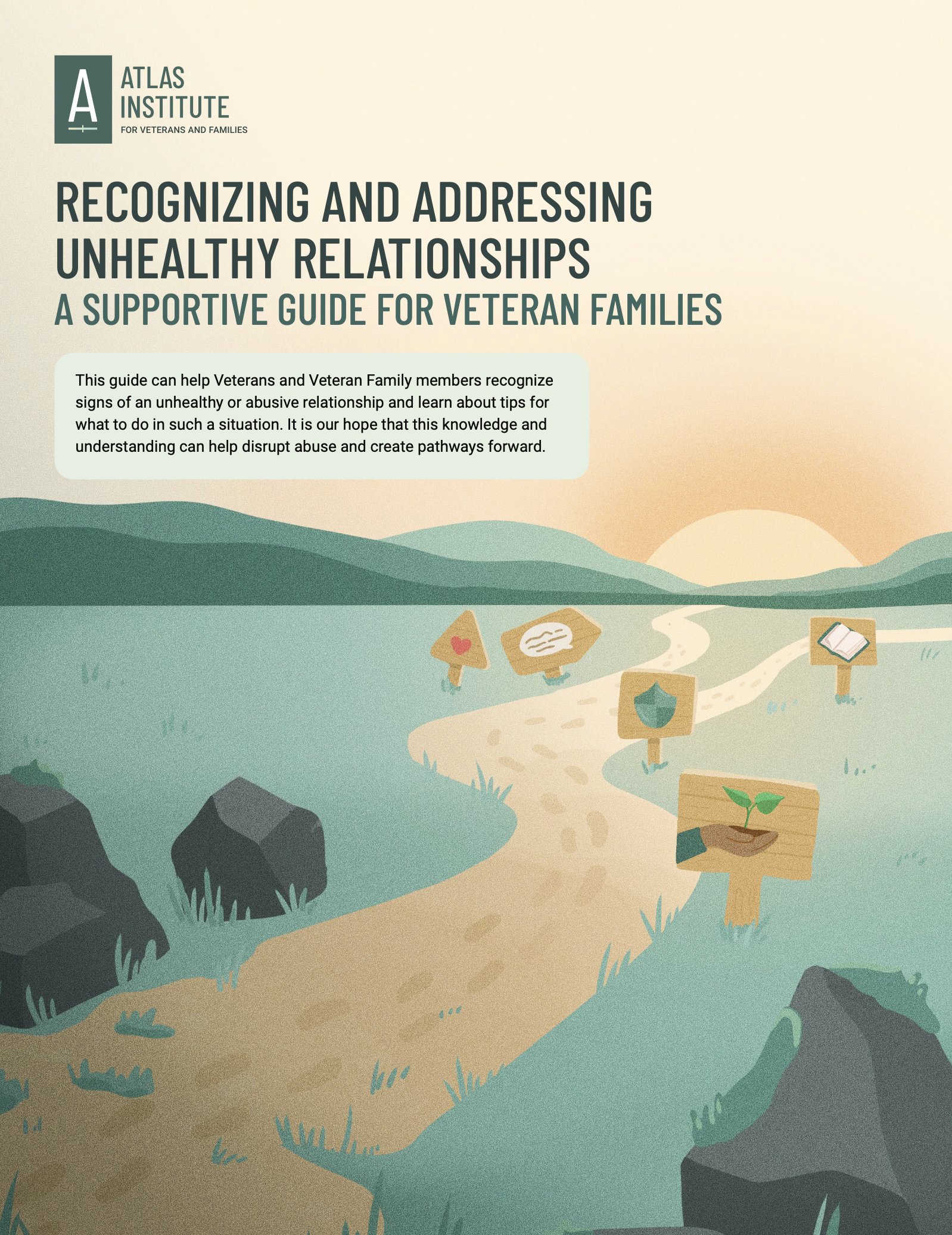
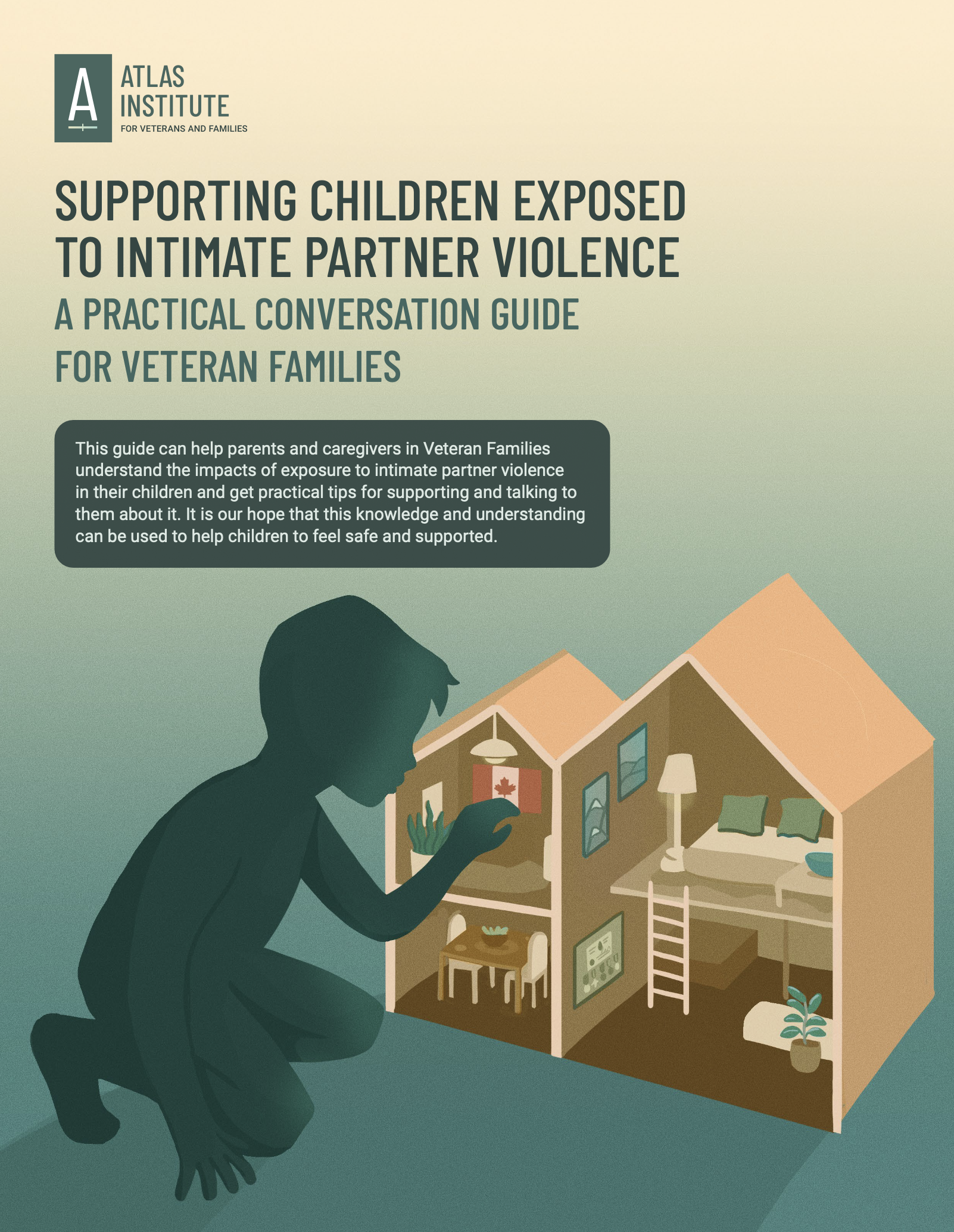
Each animation uses distinct title cards to separate scenes and chunk information into digestible segments. Key terms appear on screen timed to narration, so viewers process one concept at a time. In the illustrated guides, we used a consistent layout with a clear visual hierarchy to optimize navigation and readability. Besides illustrations, we also used callout boxes and pull quotes to help space out the text-heavy content.
Trauma-informed
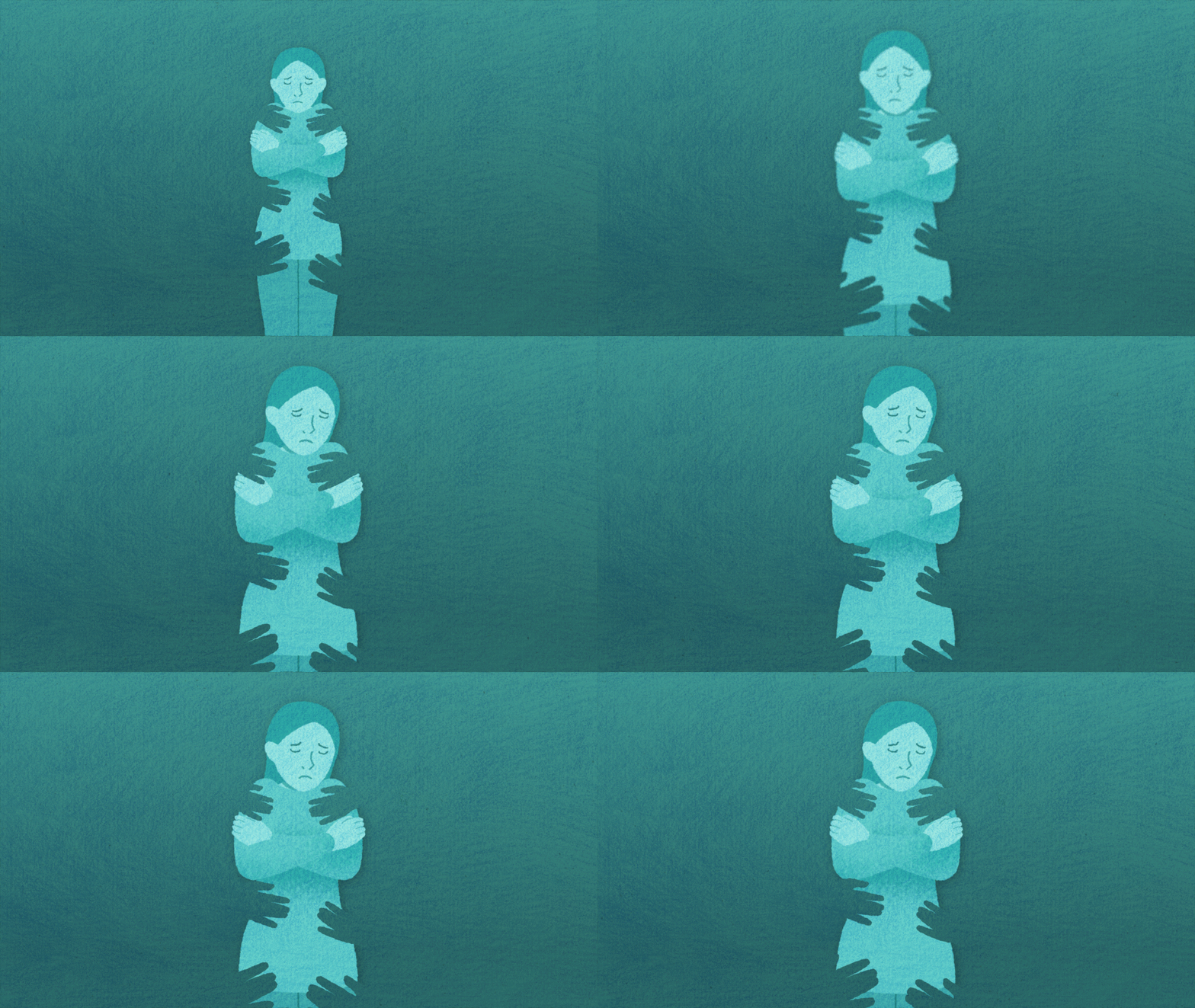
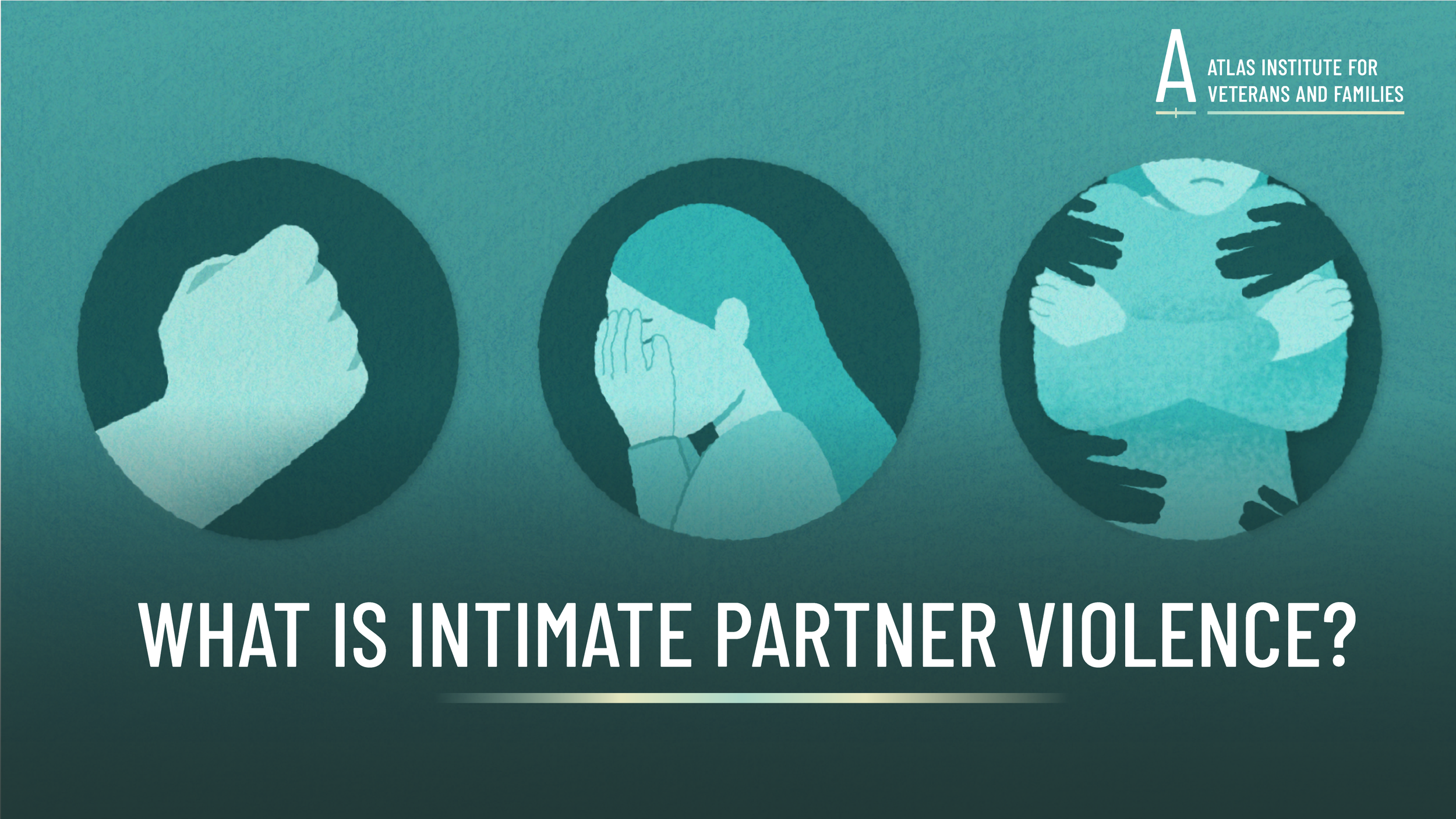
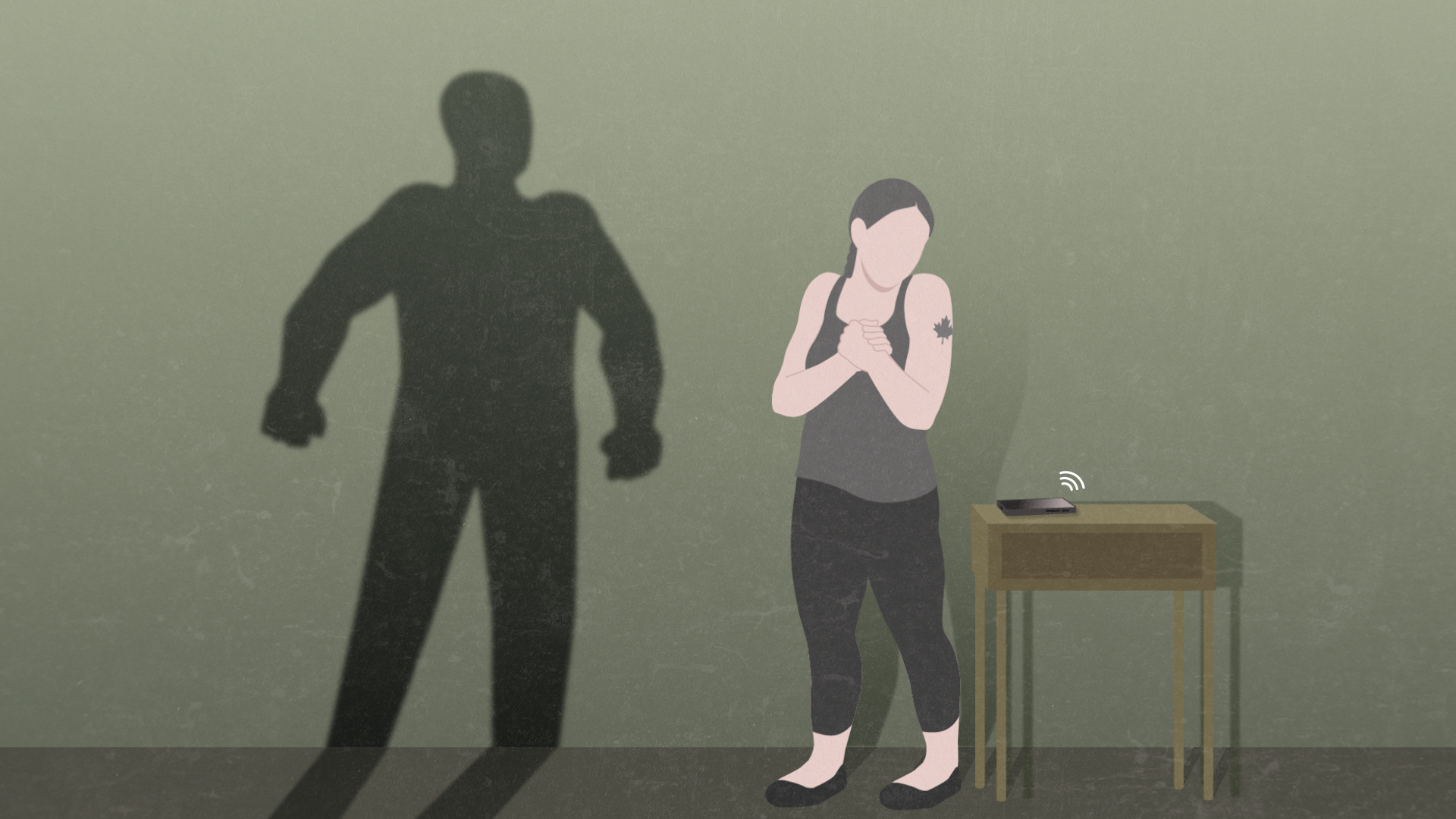
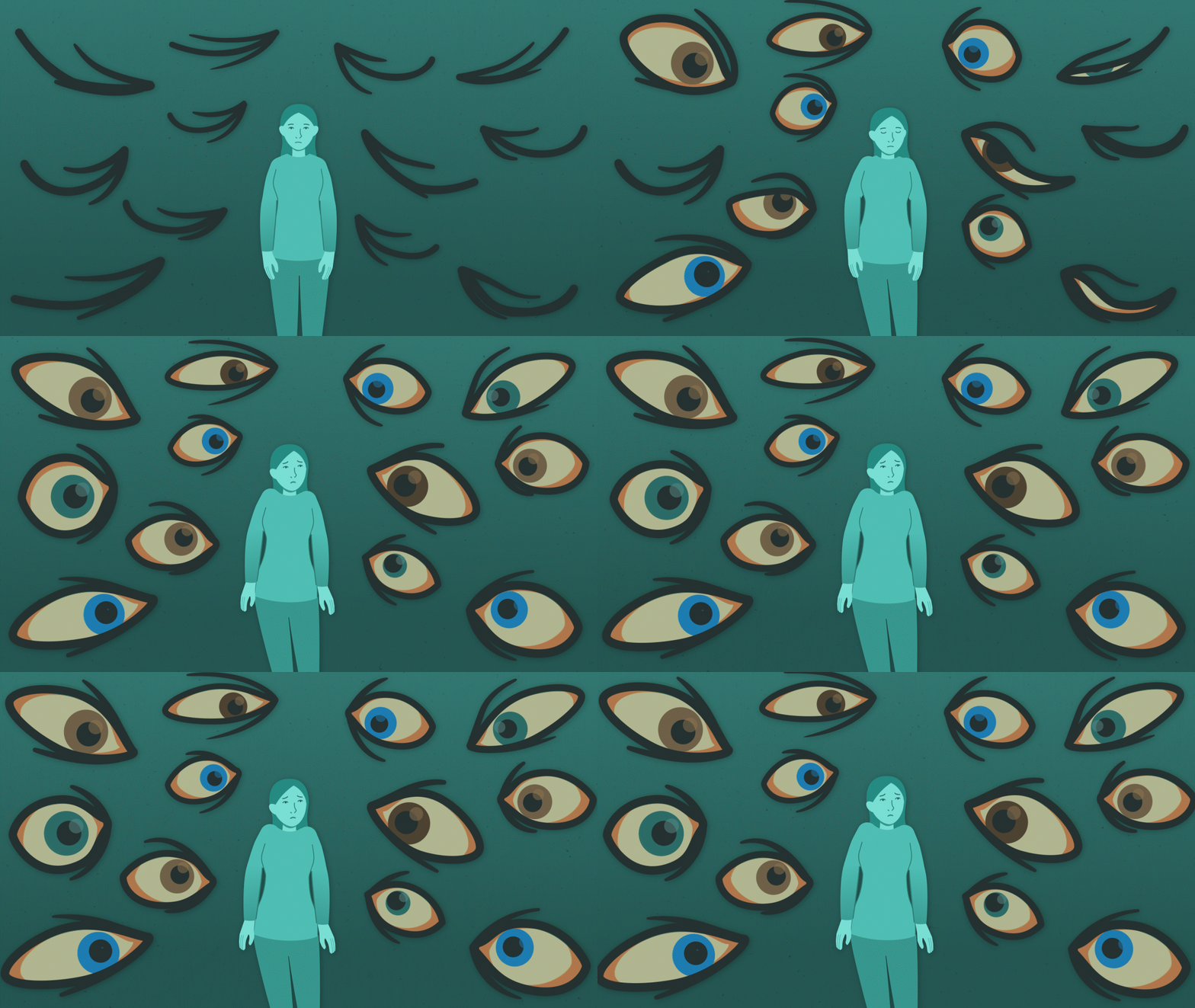
We included content warnings, predictable layouts, calm colour palettes (blues, greens, neutrals) and no explicit imagery. To represent themes of violence, we used visual metaphors and silhouettes: a faceless figure for the abuser, disembodied eyes for stalking, shadow hands for sexual violence.
Cultural responsiveness
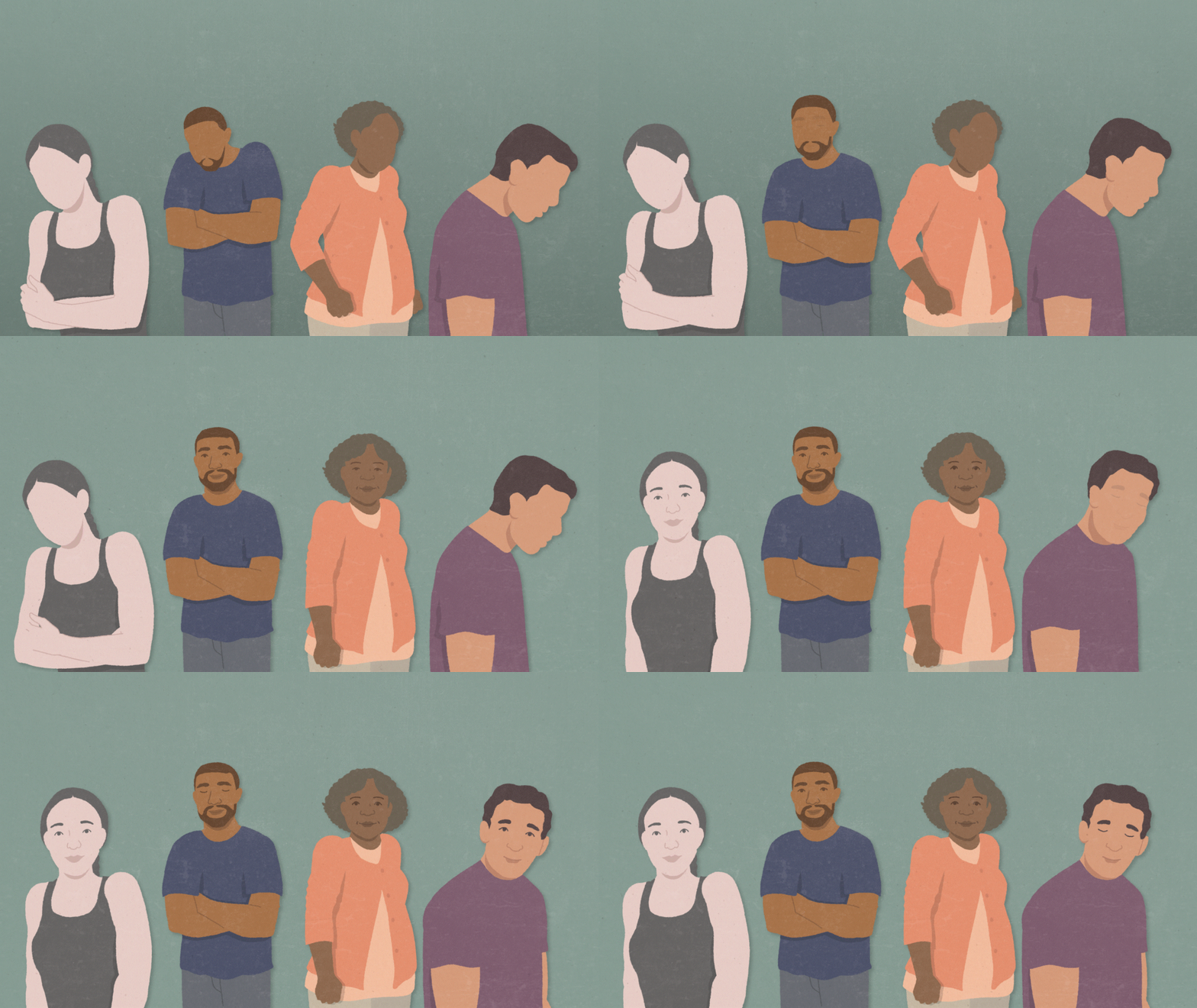
We showed different ages, ethnicities, body types, and partnerships (e.g. gay, interracial). We researched Canadian CADPAT uniforms, medals, rank, and salutes to illustrate them correctly.

Interested in our approach?
See our design principles and how we partner to design patient education resources.
Deliverables
We created English and French resources, including:
2 educational animations (video files)
3 illustrated resources (PDFs)
Closed captions (.srt files)
Descriptive transcripts (.md files)
Social media stills (PNGs)